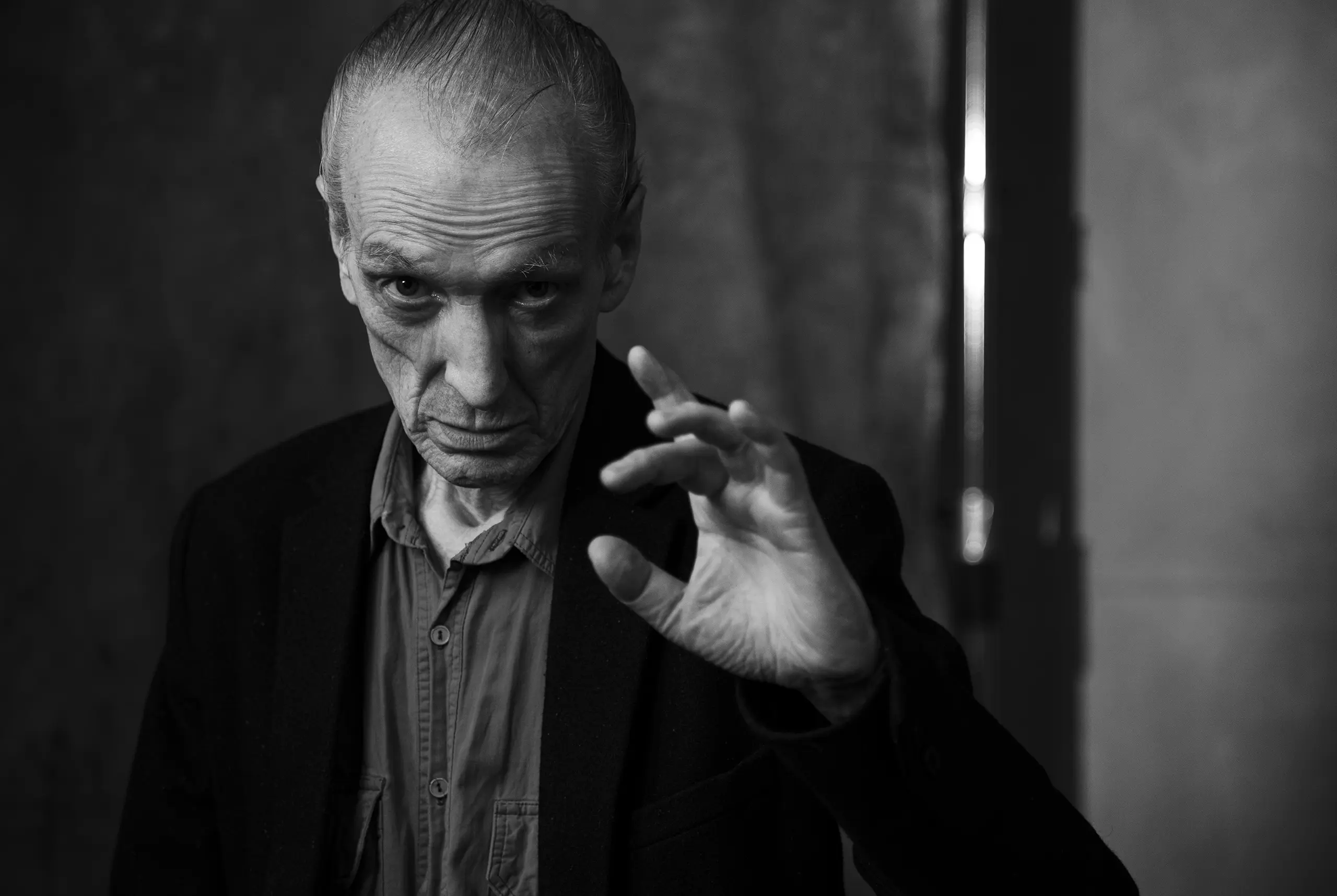
Which image shows you
when the role falls away?
Art Portrait.Portrait photographer for artists and actors
Today you can get a neutral picture of yourself with a smartphone.
What is created here is not a likeness but a staging: the next role, the new direction, what has not yet been shown.
Character. Expression. Icon.
Who are you without a role?
A good artist portrait is not the best photo ever taken of you. It is the one in which you seem least disguised. We work with a long run-up to find exactly that moment — the one in which the mask falls.
Does your image carry your expression?
What happens between the poses is usually stronger than the pose itself. The brief second in which the smile has not yet arrived or is just fading. The unobserved gesture. These are the iconic moments.
Does it outlive its occasion?
Some portraits become the calling card of an entire career. They appear on record covers, book jackets, theatre posters and in collector's editions. That is how you recognise the extraordinary: it outlives its occasion.
“A born photographer is also an outstanding artist: a person who constantly flirts with light and shadow and in this way breathes life into his works of art.”
“There are a great many people with a camera, but only a few whose work and passion have earned them the title PHOTOGRAPHER.”
Credit: camera Joe Lindenmann
Playing the video connects to Vimeo. In the process, data is transferred to the USA.
Actors, musicians, dancers and athletes have one thing in common: they are used to performing in front of other people. That is their craft — and their biggest obstacle in a shoot. Because at first the camera gets the performance, not the person.
Shedding exactly this performance often takes the first hour. Only then does the actual portrait begin. That is why we work with long sessions, with room for conversation between sets, with lighting that does not dazzle but models. The result is portraits that do not pin down the current role but carry an artistic identity.
The images are used commercially — by agencies, management and promoters. The technical foundation is the same as for the Business Portrait, developed by Jens Achtert over a career in portrait photography. What differs is the question: not position, but expression.
When a portrait becomes an icon.
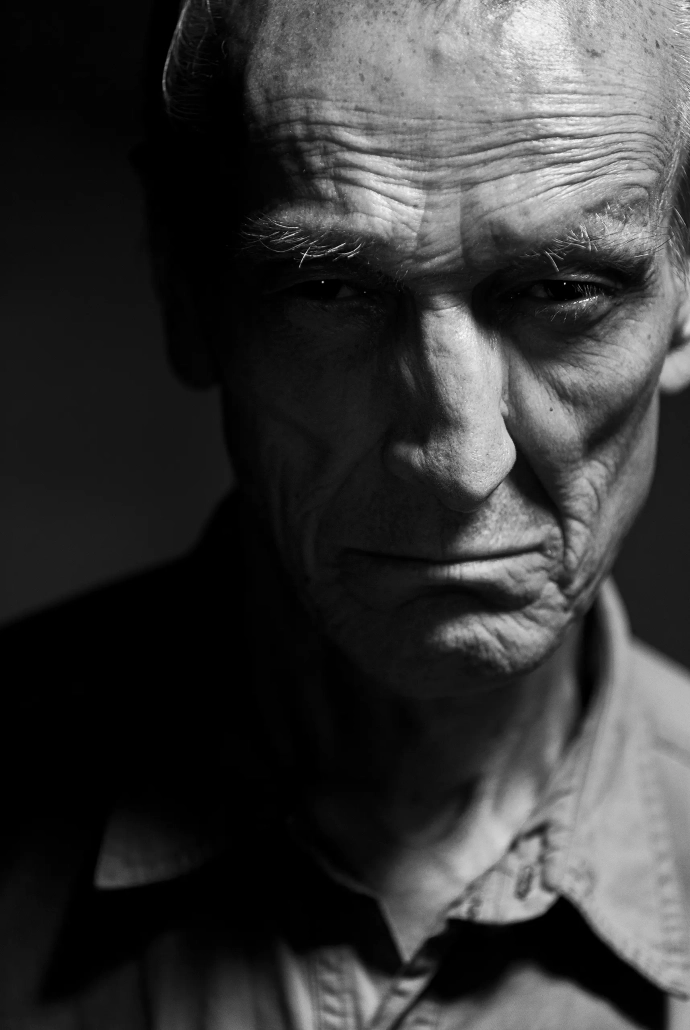
A force of nature in front of the camera: Ulrich Günther, for decades a fixed star in some of the most legendary films, in the studio between two shooting dates with an Oscar-winning team. Precise, profound, multi-layered — a portrait with the aura of a titan.
To the series “The Titan” →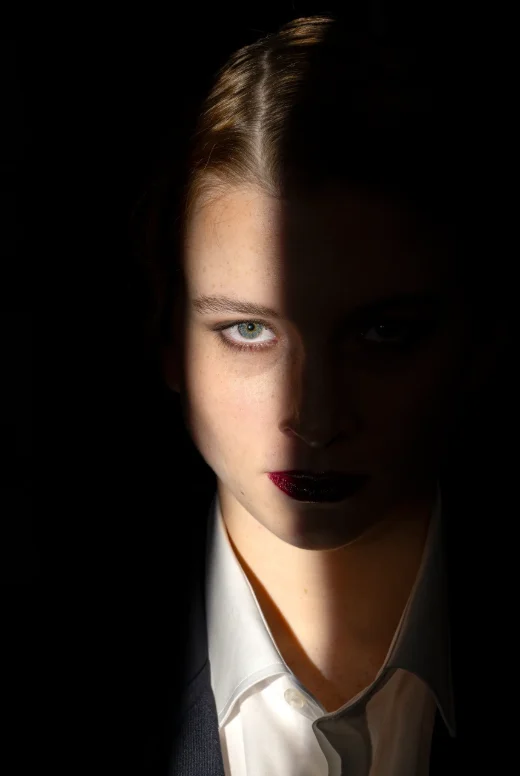
Professional stage dancer, dance teacher, acting student — met on the set of the short film “Zona Smerti”, in which she embodies a mystical nature nymph. Her portrait condenses this range into one image.
To the photo series →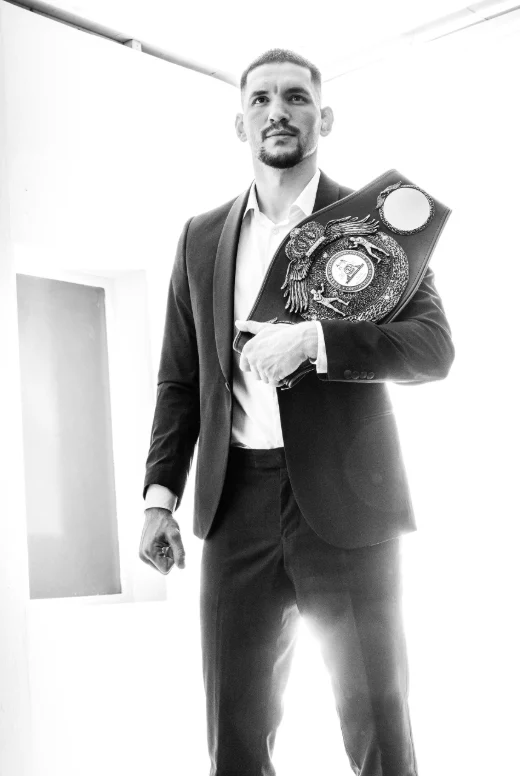
Professional light heavyweight boxer, two-time European champion (IBO 2023, WBA 2025) and IBO International Champion — he won his first European title in his home city of Stuttgart. The portrait shows the athlete beyond the ring: focused, calm, unguarded.
To the photo series →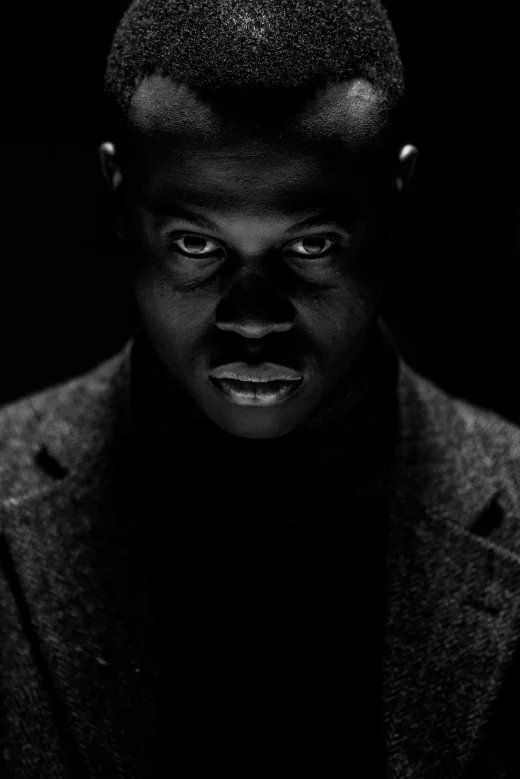
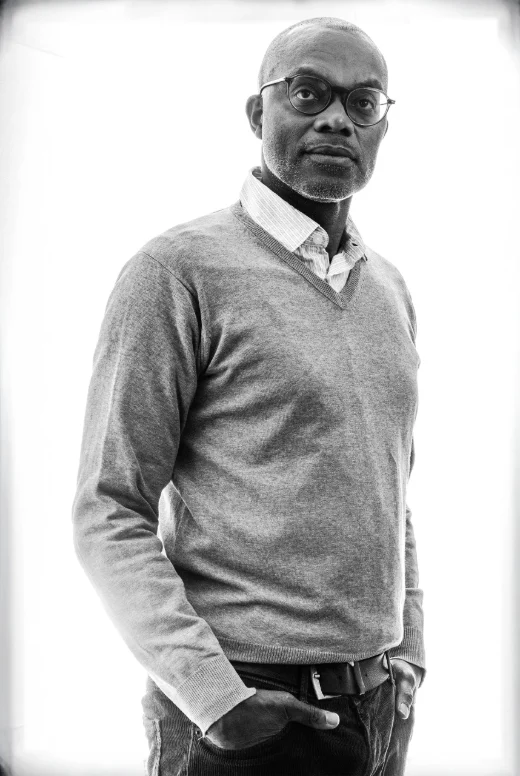
Guitarist, multi-instrumentalist and producer — and the mind behind Joyfro, the learning app for African guitar music and culture. A portrait that carries the groove of his music: between Afro, soul and jazz.
Screenwriter, director, producer and founder of the TAVMA FilmClub — awarded 1st prize at Dubai Film Connection as a producer and invited to the Producers Network of the Cannes Film Festival. A portrait for a man who does not just make film culture, but fosters it.
To the series “Iconic” →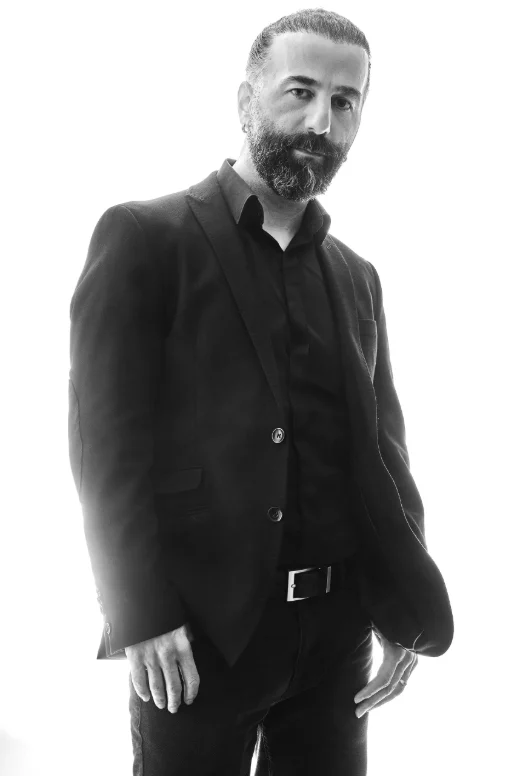
Award-winning director, author and producer (Free Monkey Films, Stuttgart): his short films “Free Monkeys”, “Der Mandarinenbaum” and “Aysha” have collected more than forty festival nominations worldwide. A portrait for a storyteller with conviction.
To the photo series →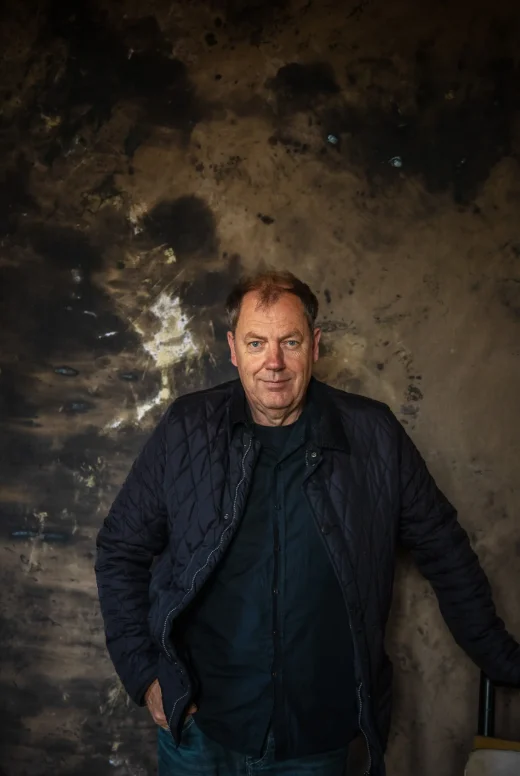
Painter, graphic artist and sculptor in one: Thomas Perl works in the tradition of Art Informel — with oil, acrylic, sand and lead he creates works for public and private collections. The portrait shows the artist where they are made: in the studio.
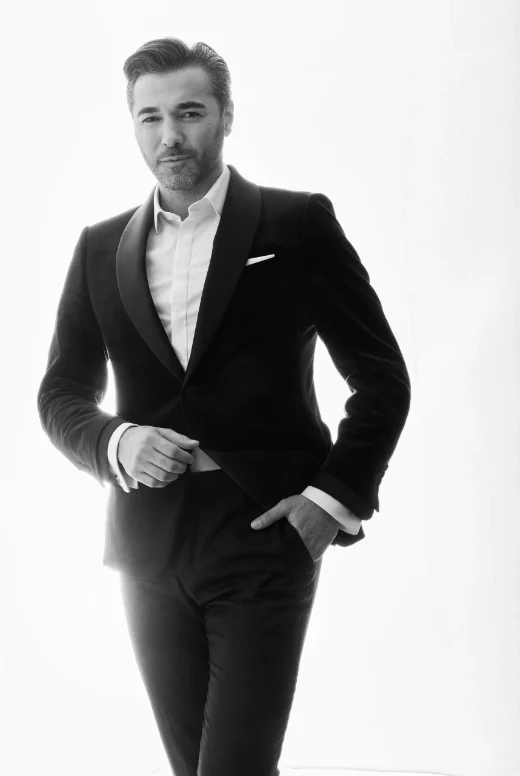
Professional model, presenter and red carpet manager — among other places at the Berlinale. In his presence everyone feels a little more valued: stylish, interesting, classically elegant.
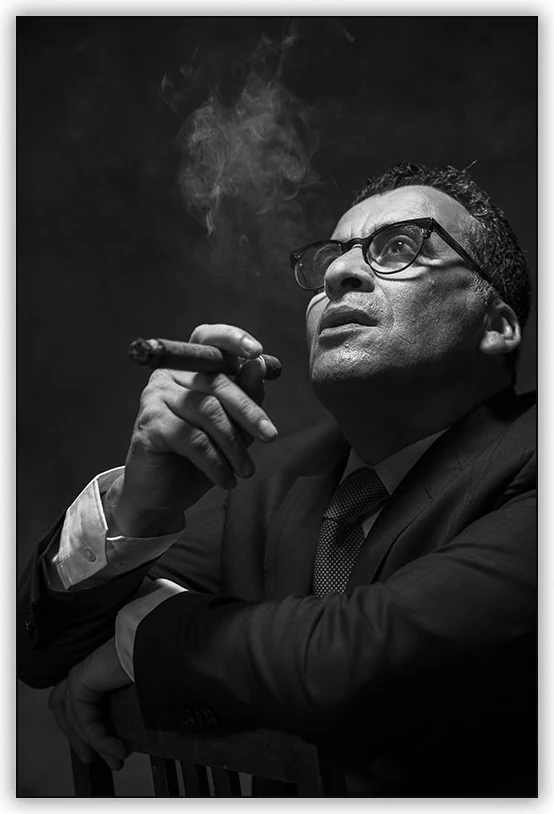
A habit became a series: Hassan likes to smoke, so “The Smoker” came about. An actor who plays the black keys of a character as convincingly as the white ones.
To the series “The Smoker” →Three things that set an artist portrait apart from a casting headshot.
Editorial lighting instead of studio standard
Casting studios work with frontal light and a neutral background — that is their brief, and they do it well. Editorial portraits work with modelling light that shows character rather than merely depicting appearance. Jens Achtert developed his language of light on magazine assignments and film sets — not in casting databases.
Patient observation instead of rapid frequency
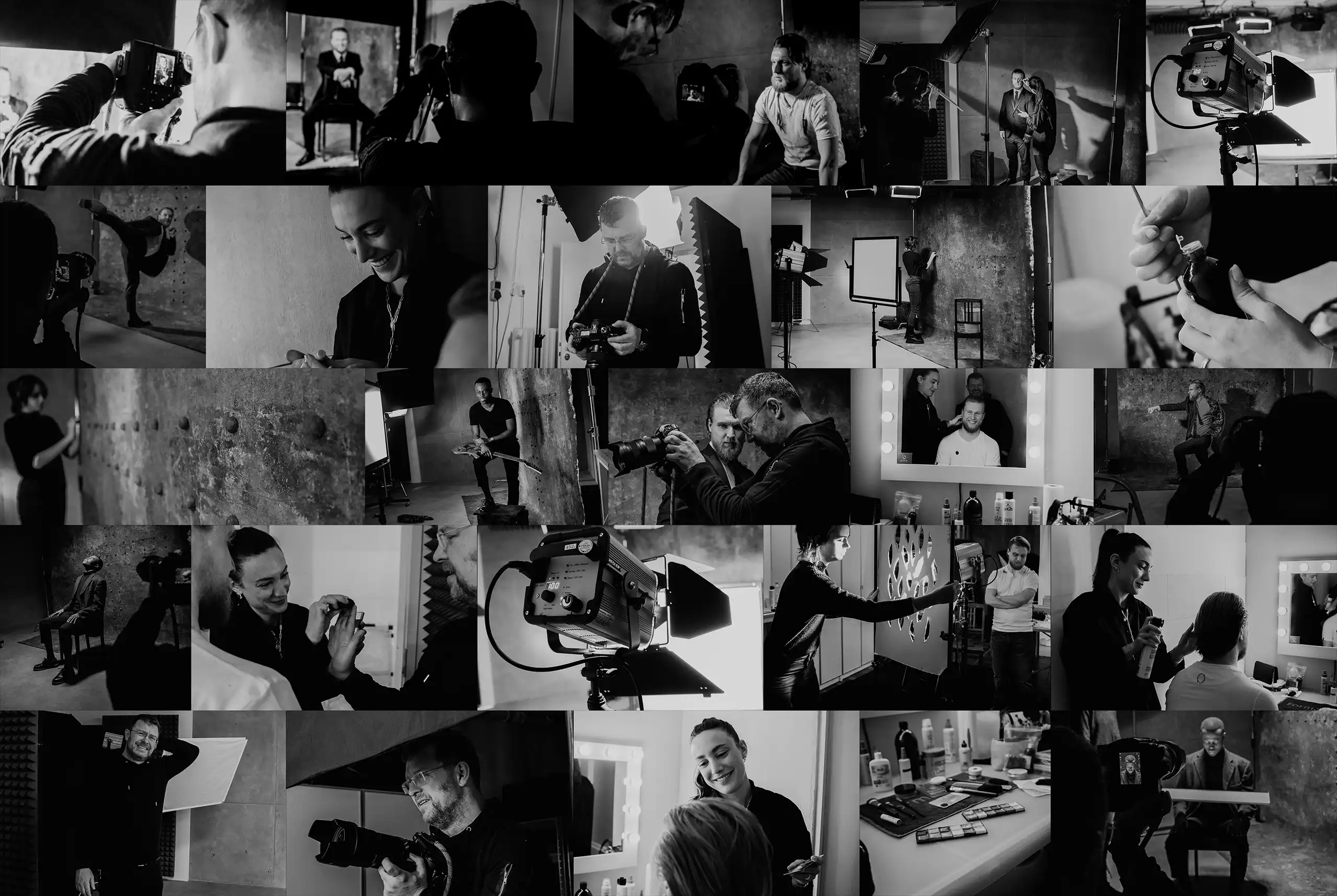
In a casting studio, twenty images go through per minute. Here a session takes hours, with a lot of talking and most of it discarded again. That looks like wasted time. But nobody drops their stage routine beforehand, and as long as it runs, you photograph it along with everything else.
Multi-format thinking for an entire career
One shoot produces headshots for casting, editorials for the press, hero images for covers and crops for social media. Material that is not just enough for the current role but lasts for years — with every new premiere, every new album, every new exhibition, every new tournament.
Why artist portraits need a different visual language than business portraits.
Business portraits show composure. Artist portraits show character. These are not two levels of the same discipline — they are two genres in their own right, with different languages of light, different poses and different end formats.
Actors need images that hint at their range, not pin down their current role. Musicians need portraits that carry the image of their music. Dancers need shots that condense movement into a single moment. Models need a comp card that stands out from the pile. Athletes need images beyond the pitch — images that show personality, not just performance. And designers need a visual world that turns their collection into a brand.
All of this succeeds with the same basic attitude: modelling light from the world of film, long sessions without time pressure and post-production that brings out character rather than smoothing it away. Jens Achtert works with a mobile high-end studio in the Greater Stuttgart area and throughout southern Germany — in Pforzheim, Karlsruhe, Heilbronn, Reutlingen, Ulm, Mannheim, Frankfurt am Main, Coburg, around Lake Constance into Switzerland and Austria, and wherever stages, studios or locations are needed. His base is Calw in Baden-Württemberg.
From a compact portrait session to a complete editorial production with photo, film and content. Each package is tailored to a clearly defined need.
Twelve series, twelve characters.
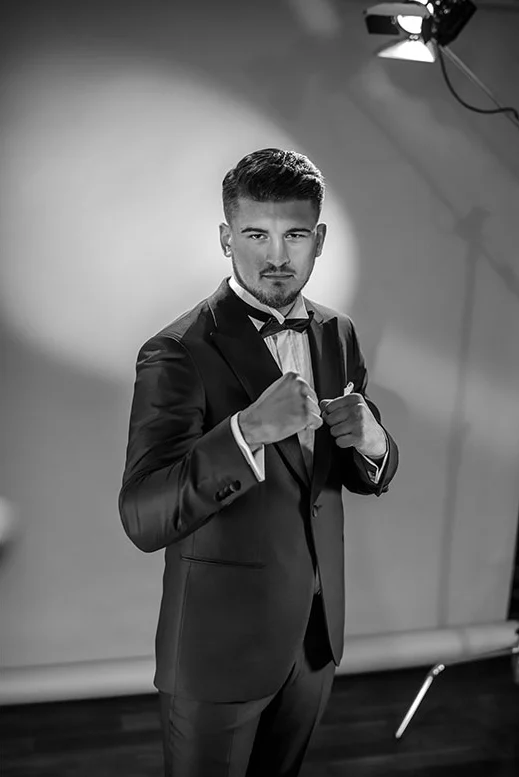
For the “LEGENDS” series I portrayed the middleweight boxer not in the ring but elegantly in a tuxedo. The photo series “The Boxer” shows the fighter as a gentleman — and precisely in that, his toughness.
To the series “The Boxer” →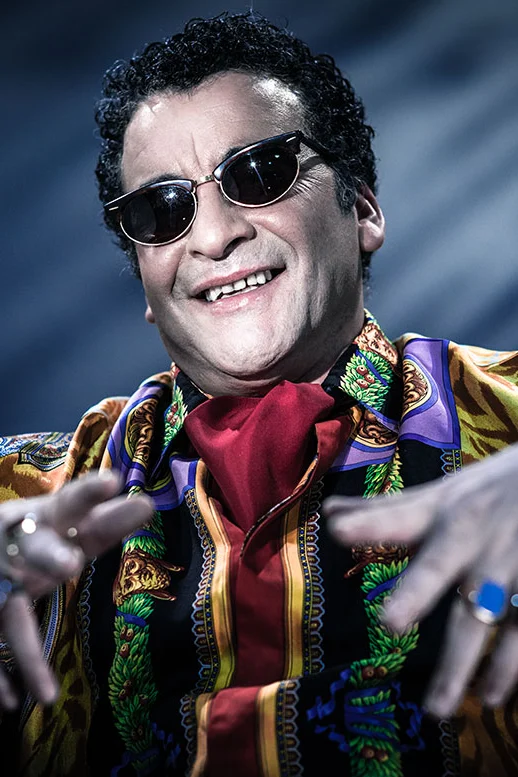
His repertoire ranges from the dangerous character to the nice neighbour. For “The Diva” we transformed him into an eccentric Hollywood apparition — a role he inhabited within seconds.
To the series “The Diva” →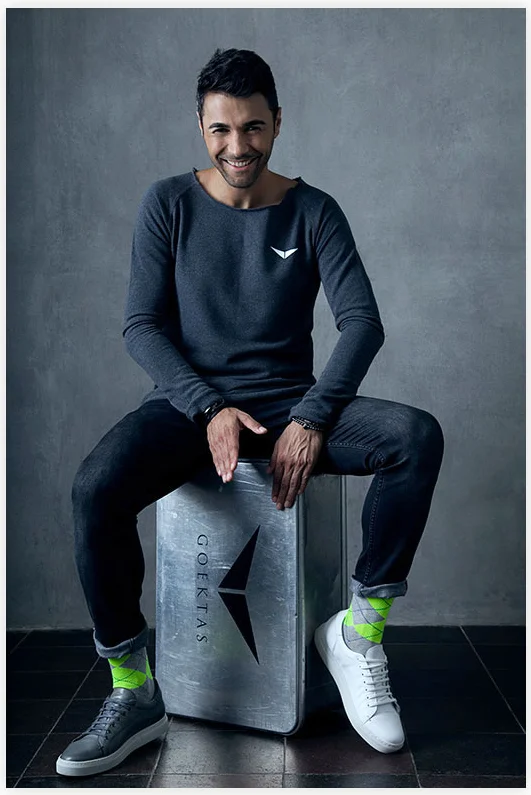
Always as well dressed as he is witty: presenter, model and brand ambassador. “Manfashion” is a summery photo series on menswear — with a new pose for every image.
To the series “Manfashion” →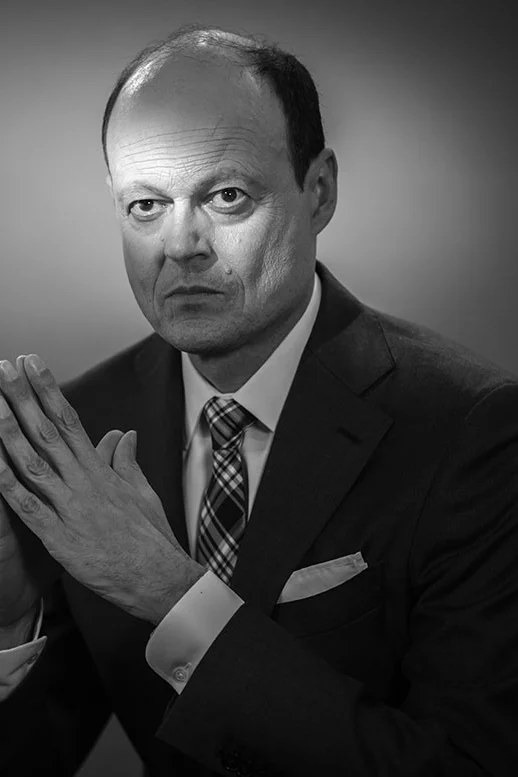
When you wake up drenched in sweat from a nightmare, it was often his face that embodied the horror. “The Nightmare” takes this face seriously — and shows the man behind it.
To the series “The Nightmare” →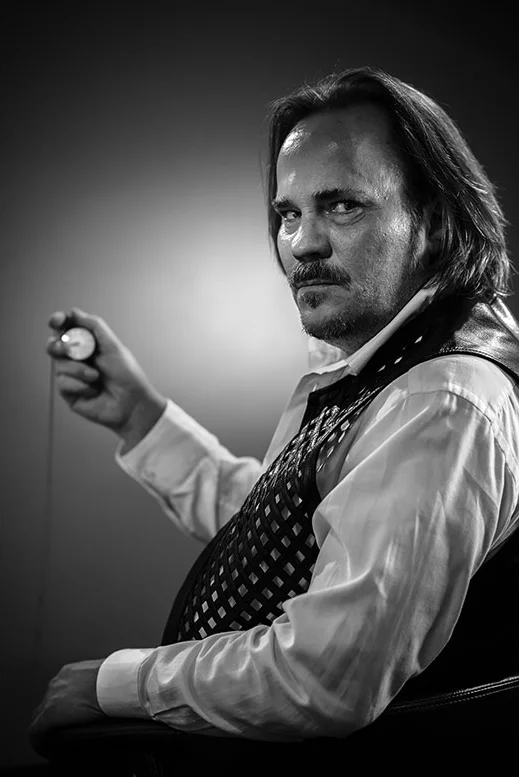
The inscrutable type, the villain, the inconspicuous neighbour: Sascha Maaz is cast in the roles you cannot pin down. The portrait captures exactly this ambiguity.
To the series “The Inscrutable” →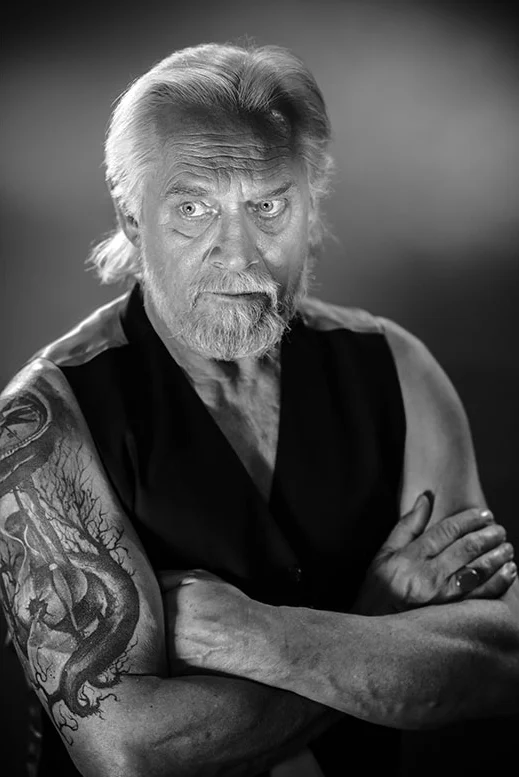
From hard-boiled gangster to priest: known from “Alles was zählt”, “25 km/h”, “Terra X” and “Lenßen & Partner”. “The Spectrum” shows how far this range of roles reaches.
To the series “The Spectrum” →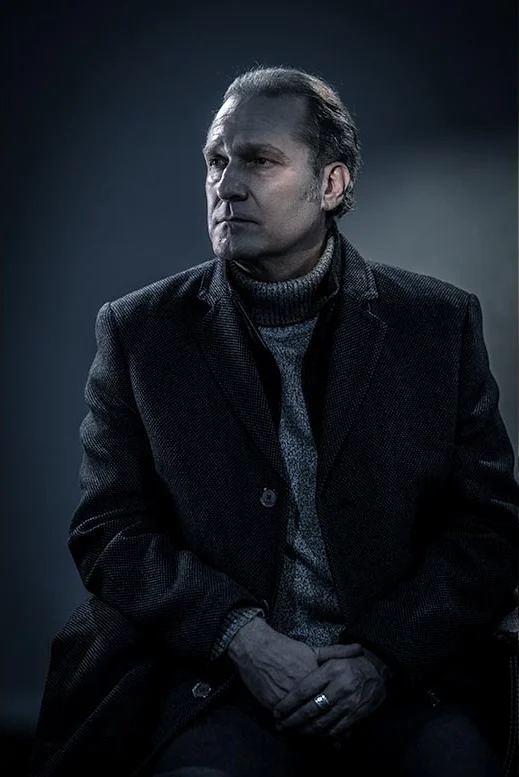
Trained film and television actor, known from German series and international cinema productions. “Between Roles” looks for the moment when no character is in the way.
To the series “Between Roles” →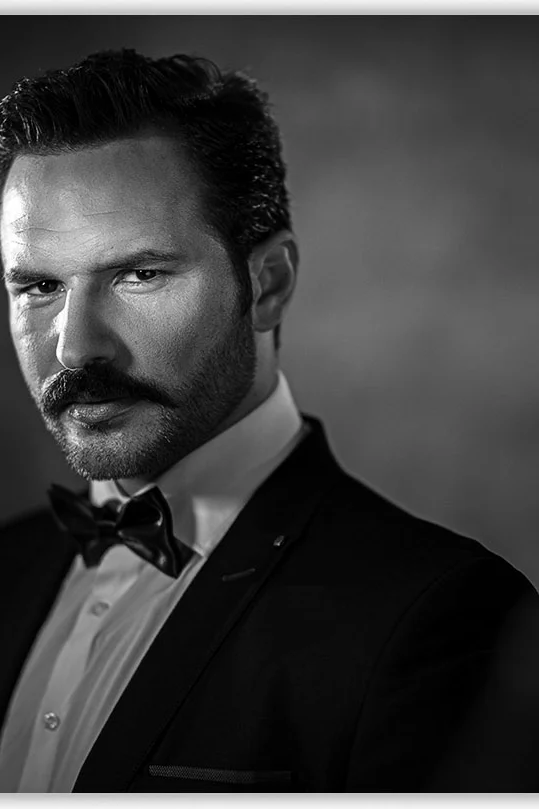
After his appearance in the feature film “Tal der Skorpione” he stayed in everyone's memory in the best way. The series was made at exactly this moment — shortly after the breakthrough.
To the series “The Breakthrough” →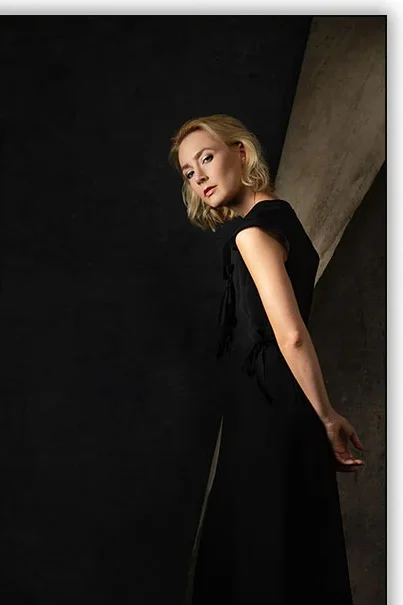
Many know her as the yoga teacher of her label “Yoga Liebe”; she also works as a model for major brands. The photo series brings both together: body control and editorial poise.
To the series “Yoga Liebe” →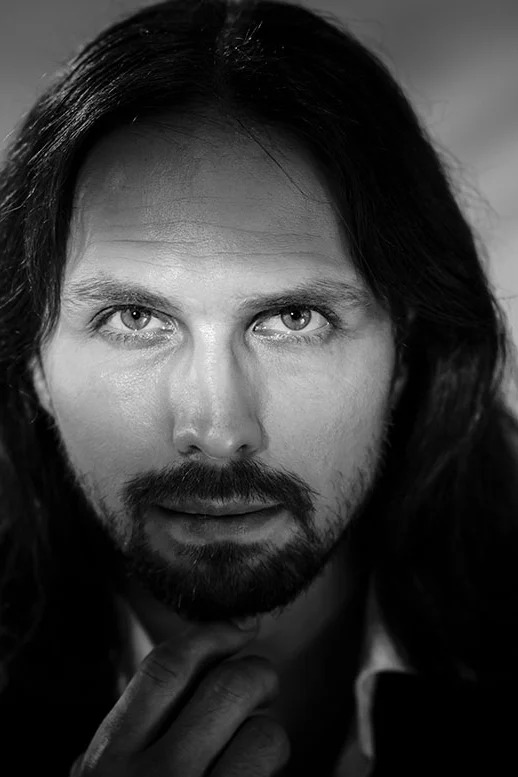
One of those artists who always deliver on point — in front of the camera, behind the camera, behind the microphone. “Those Eyes” concentrates on what speaks first with him.
To the series “Those Eyes” →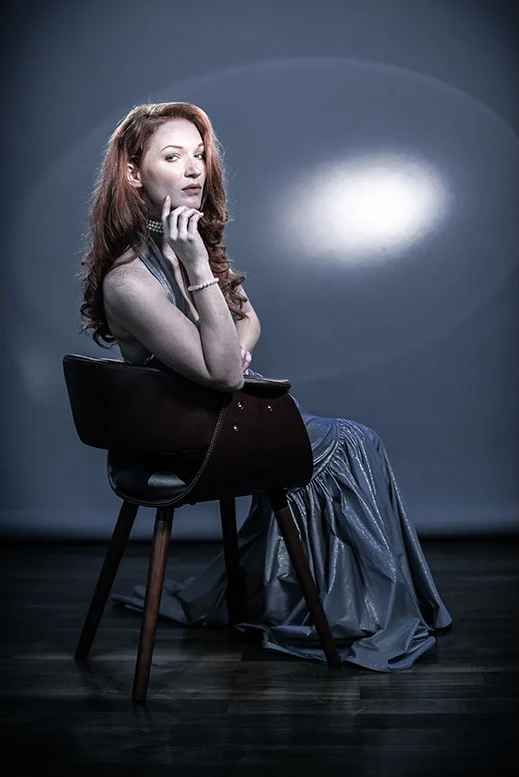
Booked internationally, including for Vogue Italia, plus roles in film and television. “The Aura” does not look for the pose but for the presence that is there before the pose.
To the series “The Aura” →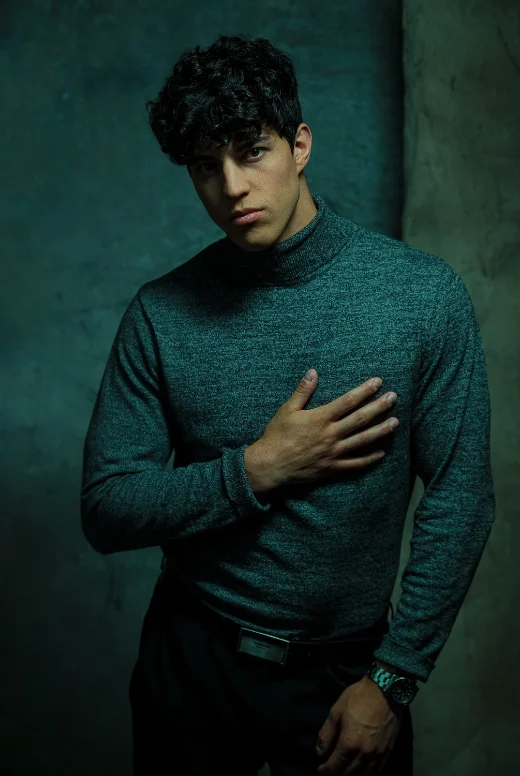
Spontaneous, creative, inventive — Maurice offers something new in every pose and always hits the right moment. “Bodyscape” reads the trained body as a landscape of light, line and tension.
To the series “Bodyscape” →What artists and labels ask before the shoot.
What does an artist portrait shoot cost?
Prices are grouped into clearly structured packages. The complete overview is on the packages page. Editorial series, campaigns and lookbooks are offered individually after a preliminary talk.
What is an Art Portrait?
An Art Portrait is an artistic portrait with editorial ambition for people from film, stage, music, dance, sport and art. Unlike the classic casting headshot, it works with modelling light and shows character rather than just appearance — usable for comp card, press kit, cover, poster and stage.
Does Jens Achtert also photograph comp cards and casting headshots for actors?
Yes. For actors he creates both classic headshots and application photos for casting databases and agencies, and editorial portraits for press kit and CV. Both in one session — with different lighting setups and formats.
How does an Art Portrait shoot work?
Concept, mood board and briefing come before the shoot. The session itself is deliberately long, with room for conversation between sets — because the strongest images are made when the performance falls away. First preview selections are available within 48 hours.
Are the portraits made in the studio or on location?
Both, often combined. Headshots are made in the studio, editorial portraits often on stages, in studios, rehearsal rooms or unusual locations. The mobile high-end studio turns any place into a set — in the Greater Stuttgart area and far beyond.
How many final images does a shoot produce?
Depending on the package, a whole set of formats is created: headshot, editorial in landscape and portrait format, cover-ready hero images and social crops in 9:16 and 1:1. Material that carries a career for years.
Can a make-up artist and styling be booked?
Yes — for artist portraits often more important than in business. Jens Achtert works with an established network of make-up artists and stylists, bookable as part of the package.
How are usage rights handled for artists and agencies?
Usage rights are part of the package and are agreed transparently before the shoot — including use by agencies, press and promoters. Details are on the packages page.
In which cities does Jens Achtert work as a portrait photographer?
The focus is the Greater Stuttgart area. Regular locations also include Pforzheim, Karlsruhe, Heilbronn, Reutlingen, Ulm, Mannheim, Frankfurt am Main and Coburg, plus the Lake Constance region with Switzerland and Austria; the base is in Calw, Baden-Württemberg. Travel and studio setup take place directly at the location of your choice.
How quickly are the final images available?
First preview selections within 48 hours — for ongoing applications or publications, for example. The fully retouched editorial images typically follow within ten to fourteen working days. For time-critical releases such as an album release or theatre premiere, express post-production is possible.
In which formats is the final data delivered?
For print you receive final files in the appropriate CMYK profile – as TIFF on request, if the images are going into a layout or will be edited further. For web and social I deliver up to 3,840 pixels wide, i.e. the 4K standard. Which format is right for what is explained in detail on the File Delivery & Formats page (German).
Let's talk.
One sentence on your plans and intended use is enough. I usually reply within 24 hours – with a proposed date and the time required.